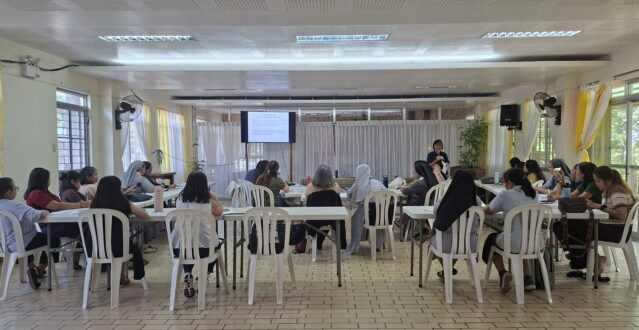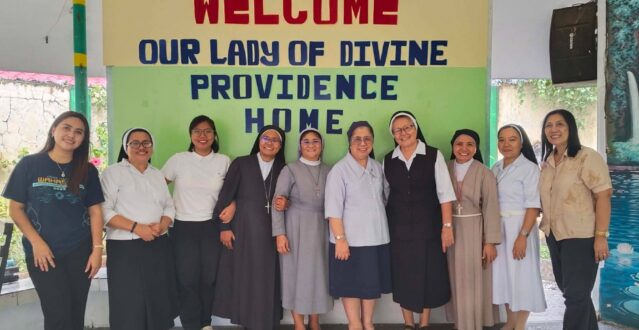
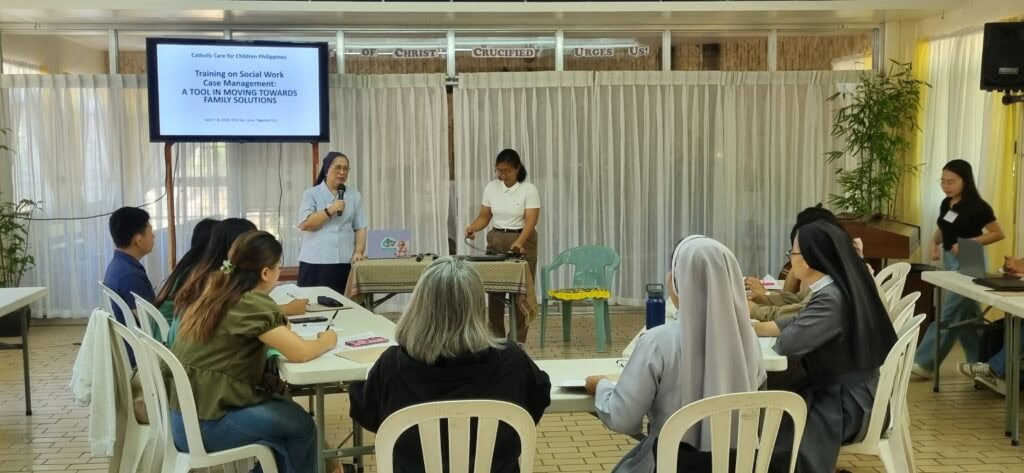
Tagaytay City, Philippines. Every child deserves to grow up in a safe, loving, and permanent family. Anchored in this profound belief, Catholic Care for Children Philippines (CCCPH) conducted an intensive training titled “Social Work Case Management: A Tool in Moving Towards Family Solutions” on April 7-8,2026.
The capacity-building initiative brought together 27 dedicated social workers—comprising both religious sisters and lay mission partners—representing various member congregations that run Child Caring Agencies across the Philippines.
The Shared Global Vision:
To equip the next generation of social workers with the vital skills needed to safely and swiftly transition children into nurturing family environments, actively preventing unnecessary and lengthy institutional stays.
The sessions were facilitated by three of the Philippines’ most respected names in child welfare and social development:
- Lourdes G. Balanon, RSW, MSc. – Professor at St. Mary’s College Inc. and the Asian Social Institute. Prof. Balanon expertly guided the participants through the core stages of the Case Management Process, from Intake and Assessment to Discharge Planning and Termination.
- Marilyn F. Manuel, RSW, MSc. – Social Worker and Social Planning Expert. Ms. Manuel provided a comprehensive deep-dive into crucial International Policies (like the UNCRC and UN Alternative Care Guidelines) and local Philippine Child Care Laws.
- Minnie Dacanay, RSW – A seasoned social work practitioner who anchored the technical sessions on integrated documentation skills, emphasizing that recording must happen at every step of care.
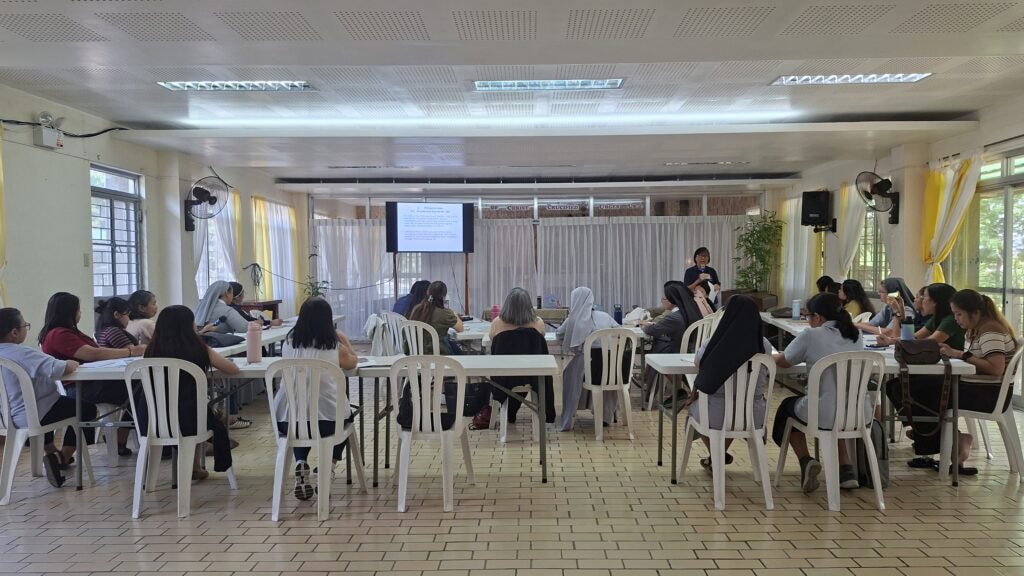
Participants were challenged to shift away from old, institutional mindsets and view their daily tasks through the integration of four essential frameworks:
- Child-Rights Framework | Viewing the child not merely as a passive beneficiary, but as an active rights-holder whose best interests always come first.
- Ecological Systems Framework | Viewing the child holistically by examining their immediate family, community environment, and wider societal support systems.
- Gatekeeping Mindset | Adopting a firm stance that institutional care is a measure of last resort and must always be temporary.
- Case Management Model | Ensuring that no child stays in an institution without a clear, dynamic, and time-bound plan moving toward permanency.
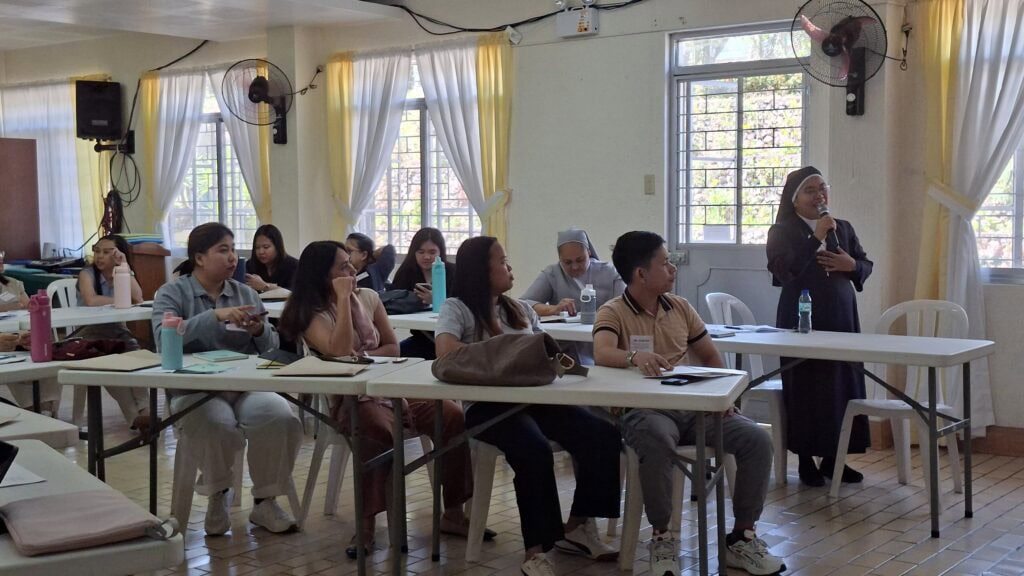
This wasn’t just a lecture series—it was an interactive, hands-on experience designed to mimic real-world complexities.
- Peer-Led Case Resolution: Social workers brought real-life, complex cases from their own agencies into breakout tables. Stripping away identifying details to protect confidentiality, peer groups analyzed structural barriers to family reunification and brainstormed hidden family strengths. The resource speakers guided the said workshop.
- Multi-Disciplinary Role Plays: Participants actively stepped into the shoes of psychologists, lawyers, houseparents, and medical practitioners to simulate Case Conferences. This underscored the value of collaborative, holistic decision-making.
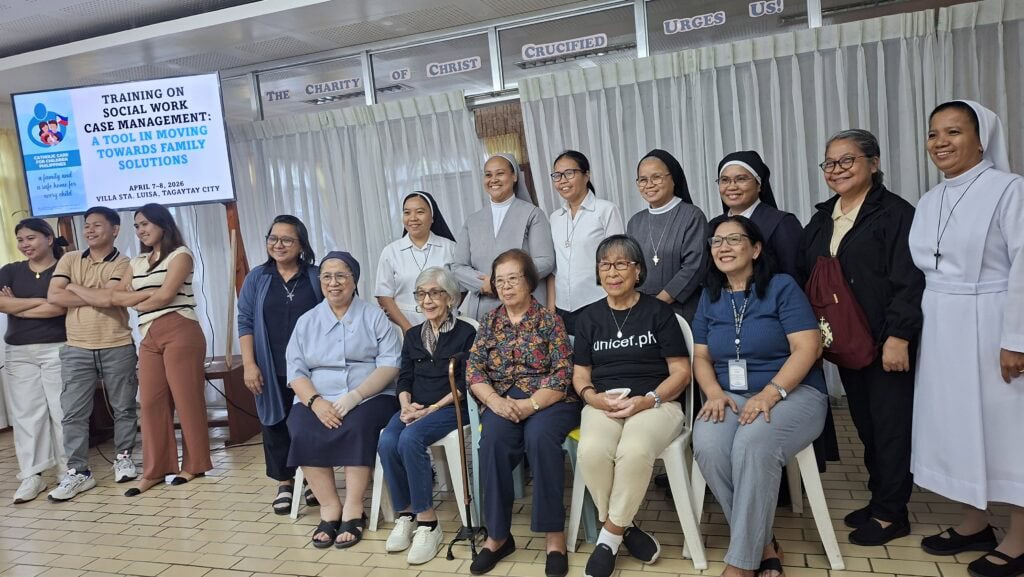
The training concluded with the formulation of Individual Re-Entry Plans. Armed with digital evaluation tools, new insights, and a shared burning passion, these 27 social workers returned to their respective congregations ready to champion family-based solutions.
Case management is not just a process—it is a journey alongside a child and their family, walking them safely all the way home.